Introduction: Say Goodbye to Skin Tags Quickly and Safely
Skin tags are harmless but often become an annoying and unwanted cosmetic issue. Whether they’re tucked under your arms, hanging from your neck, or on delicate areas like your eyelids, their presence can be irritating especially when they rub against clothing or jewelry.
If you’re searching for the safest and most effective way to remove skin tags, you’ve come to the right place. In this comprehensive guide, we’ll break down the most reliable treatment options including laser treatment for skin tags along with pros, cons, and expert insights. With the help of seasoned professionals specializing in dermatology in Pune, you’ll be able to make the right choice for your skin’s unique needs.
What Are Skin Tags and Why Do They Appear?
Skin tags, also known as acrochordons, are small, soft, flesh-colored growths that commonly form in areas where the skin folds or rubs against itself. While they are completely benign and not a sign of any underlying medical issue, they can become a source of irritation or self-consciousness.
Their appearance is generally triggered by friction, hormonal fluctuations, obesity, genetics, or aging. They often show up on the neck, underarms, eyelids, groin, and other areas prone to moisture or movement. Although they pose no serious health risk, their placement and visibility often prompt individuals to seek fast and safe removal options.
Laser Treatment for Skin Tags – Precision at Its Best
One of the most effective and popular solutions available today is laser skin tag removal in Pune. This method uses a focused beam of light to vaporize the skin tag, removing it with high precision while causing minimal damage to the surrounding skin. It’s a minimally invasive, low-risk procedure, often completed in under 10 minutes per session.
This technique is ideal for sensitive and high-visibility areas such as the face, underarms, or eyelids. It causes very little discomfort, typically just a mild sensation similar to a rubber band snap, especially after a numbing cream is applied. Moreover, laser for skin tags leaves minimal or no scarring, making it an excellent option for Indian skin, which is more prone to hyperpigmentation.
Cryotherapy – Freeze It Off
Cryotherapy is another common professional treatment for removing skin tags. It involves the application of liquid nitrogen directly onto the tag, freezing the cells and causing them to fall off naturally within 7 to 10 days. This method is fast and relatively inexpensive, making it a practical choice for small to medium-sized tags.
That said, individuals with darker skin types need to be cautious, as cryotherapy can occasionally lead to temporary pigmentation changes. While it works well for areas like the neck, chest, and back, it may not be the first choice for tags located in highly visible or sensitive zones.
Electrocautery or Radiofrequency Cautery – Burn the Tag from Its Base
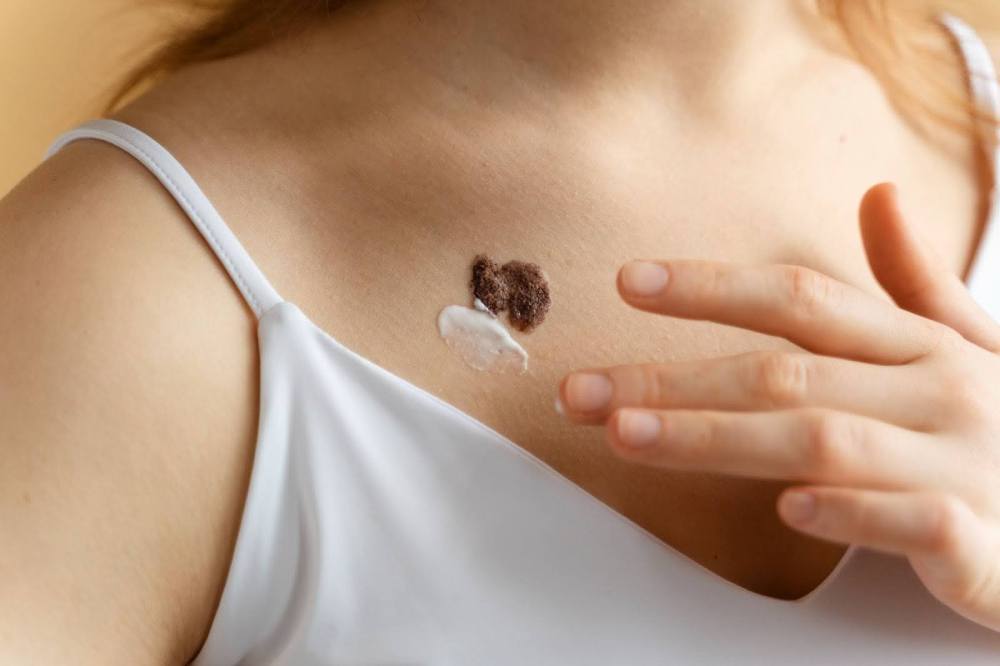
Electrocautery uses an electric current to heat a wire loop or probe, which is then applied to the skin tag to burn it off at the base. This is a fast, reliable option for slightly larger or flat skin tags and is often performed with local anesthesia to minimize discomfort. RF cautery uses Radio frequency to heat the probe.
While electrocautery offers excellent control and precision, especially in experienced hands, it may cause temporary scabbing or discoloration post-procedure. Indian skin tones, which are more susceptible to scarring or pigmentation, benefit significantly when the treatment is performed by a qualified skin specialist.
Surgical Excision – Traditional but Effective
Surgical removal is one of the oldest methods, involving the use of sterilized surgical scissors or a scalpel to cut off the tag. This is usually done under local anesthesia and offers immediate results, particularly for large or bothersome skin tags.
While effective, this technique carries a slightly higher chance of minor bleeding or scarring compared to laser methods especially for facial lesions. For individuals with deeper skin tones, like many Indians, surgical excision should always be performed by a professional trained in scar-minimizing techniques.
Home Remedies – Cheap But Risky
Many people try to remove skin tags at home using DIY remedies such as tying the tag off with dental floss, applying apple cider vinegar, or using over-the-counter creams. While these options may appear cost-effective, they come with considerable risks including infection, incomplete removal, scarring, and even skin burns.
For Indian skin, which is naturally more pigmented, such methods are even riskier. They may result in dark spots, uneven texture, or permanent damage. Dermatologists strongly recommend professional evaluation and treatment over at-home experimentation.
Why You Should Choose a Professional for Skin Tag Removal
Choosing a certified dermatologist isn’t just about better cosmetic outcomes—it’s also about safety and long-term results. Professionals are trained to analyze your skin tone, tag type, and overall skin health before deciding on the right course of action.
More importantly, they operate under sterile conditions using FDA-approved equipment, reducing the chances of infection or scarring. For those concerned with facial aesthetics or who have had previous skin reactions, professional skin tag removal laser treatment is the most reliable route.
Pros and Cons of the Most Common Treatments
Each method has its strengths and limitations. Laser treatment stands out for its precision and cosmetic appeal but may come at a higher upfront cost. Cryotherapy is quick and affordable but could require multiple sessions and carries a minor pigmentation risk. Electrocautery and surgical excision provide immediate results but may cause slight scabbing or bleeding. Lastly, home remedies may seem appealing but are generally discouraged due to their high risk.
Ultimately, your choice should depend on the location and size of the skin tag, your skin type, pain tolerance, and your aesthetic goals. If you’re seeking expert guidance, trusted clinics for skin tag removal in Pune offer customized solutions tailored to your skin and comfort.
Choosing the Right Dermatologist: Why It Matters
Your dermatologist’s expertise can make or break the outcome of your treatment. That’s why it’s essential to seek care from experienced professionals who understand Indian skin physiology and its response to lasers and heat-based treatments.
Dr. Poorva Shah, a renowned skin care specialist in Pune, brings years of experience in Dermatology. Her ability to personalize treatments according to skin tone and type makes her one of the most trusted names in the field, especially for laser-based cosmetic procedures.
Conclusion: Clear Skin Begins with Informed Decisions
Skin tags don’t pose a medical risk, but they can certainly interfere with your confidence and comfort. Thankfully, modern dermatology offers safe, effective, and virtually painless options for removal. Whether you’re considering laser skin tag removal, cryotherapy, electrocautery or RF Cautery the key is choosing a dermatologist—that suits your specific needs, who can then pick the most suitable method for you.
FAQ’s
Yes. When performed by qualified dermatologists using modern equipment, treatments are safe and effective for Indian skin.